
Listeria monocytogenes remains one of the most challenging foodborne pathogens for ready-to-eat foods. Its ability to survive and grow at refrigeration temperatures makes it a persistent risk throughout shelf life, not just at production.
From 1 July 2026, EU Regulation 2024/2895 significantly tightens Listeria requirements for ready-to-eat foods that support growth, amending Regulation (EC) 2073/2005. The practical consequence is clear: manufacturers must now demonstrate control over the entire shelf life, not only at release.
- Under the new regulation, the default requirement is “not detected in 25 g” at any point during shelf life.
- Alternatively, manufacturers must scientifically demonstrate that Listeria will remain below 100 CFU/g until expiry, typically through challenge studies or predictive modelling.
Why Water Activity Becomes a Key Compliance Tool
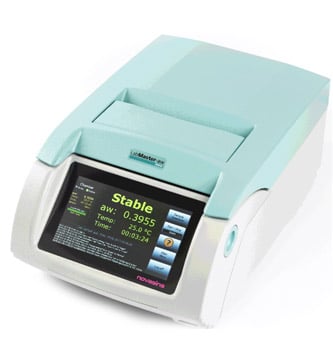
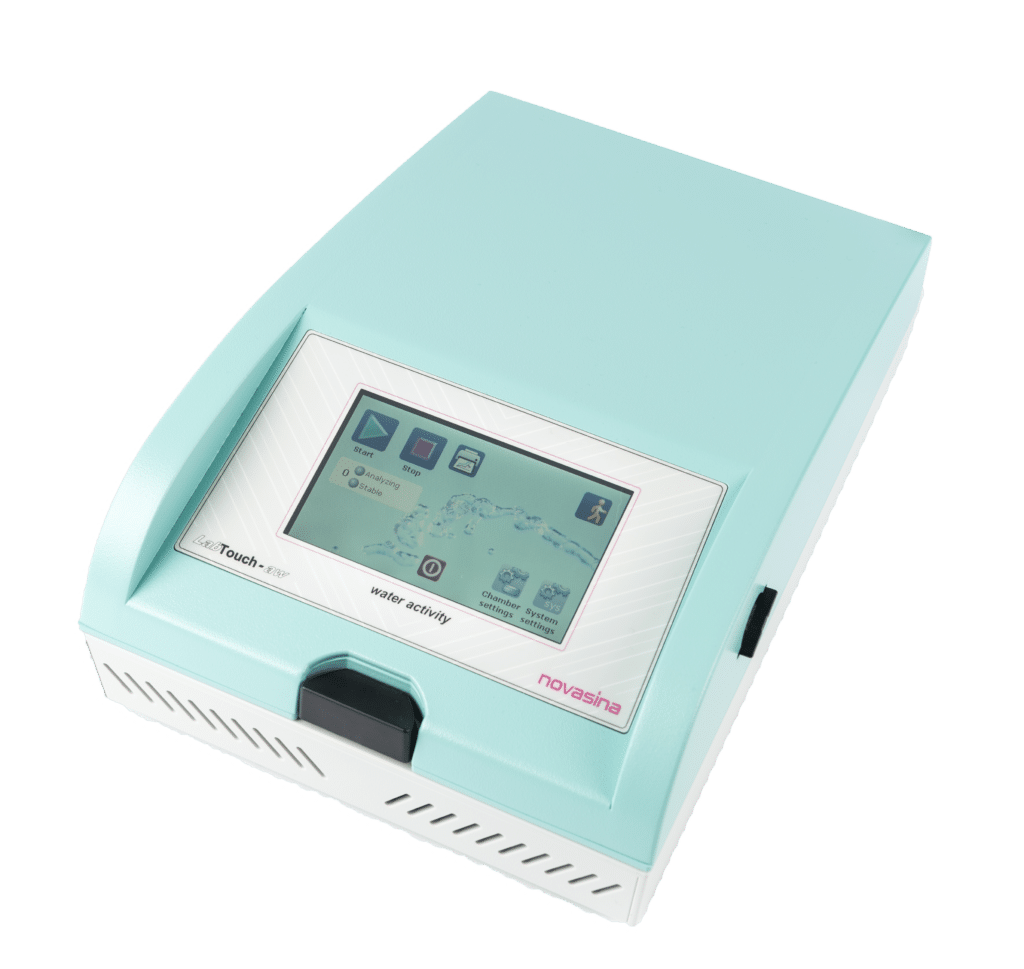
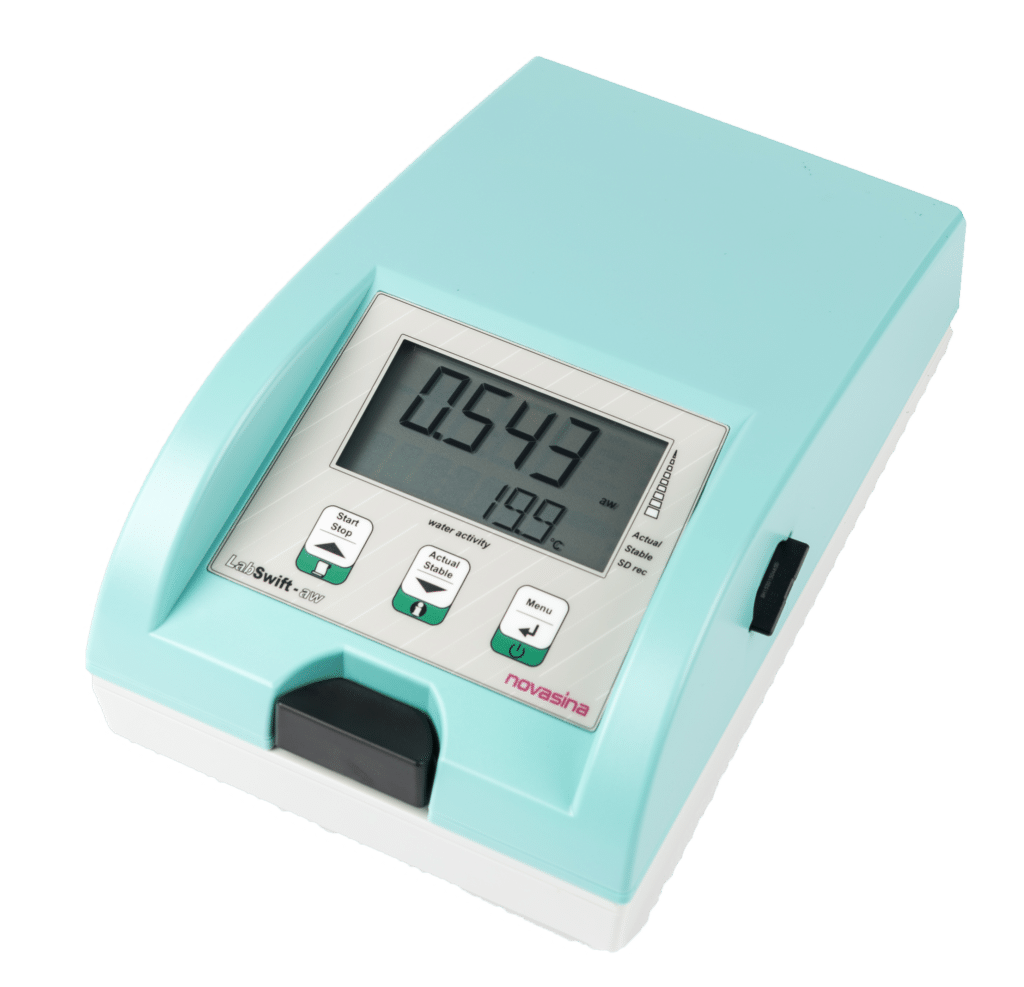
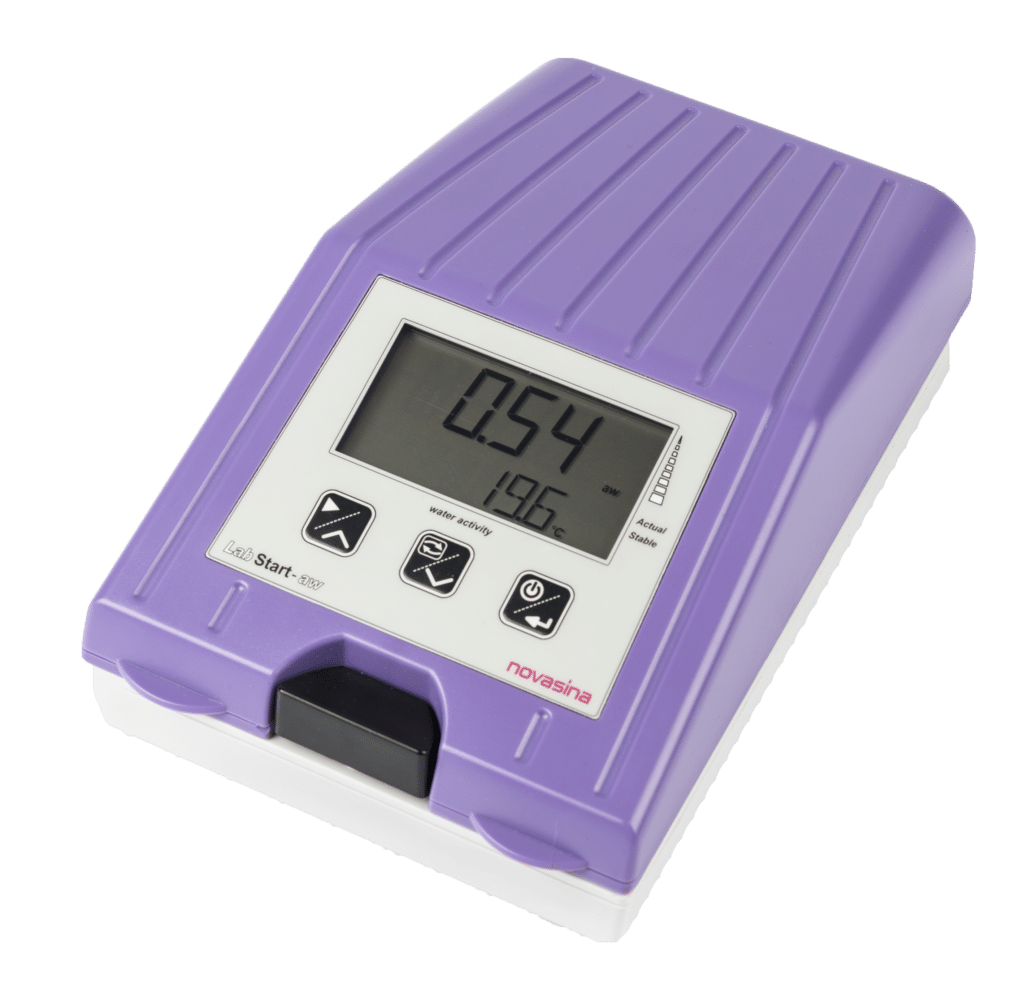
One effective and well-established way to meet this requirement is through formulation and control of water activity below 0.92, the recognised growth limit for Listeria monocytogenes. At this level, Listeria cannot proliferate. When supported by documented water activity testing at product release, this approach provides a scientifically defensible pathway to justify the <100 CFU/g criterion without continuous absence testing throughout shelf life.
Why this approach works in practice:
- Water activity limits microbial growth by reducing the availability of free water required for metabolism and replication.
- Routine water activity testing at release demonstrates process consistency and control.
- Documented aw control provides with a clear, science-based rationale for shelf-life safety decisions. Compared to extensive challenge testing, this approach reduces validation effort while strengthening regulatory robustness.
For many refrigerated ready-to-eat products, water activity has historically not been used as a release criterion. Under the new EU Listeria regulation, this is likely to change. Manufacturers who understand and control water activity are better positioned to justify shelf life, reduce regulatory risk, and respond confidently to audits.
Now is the right time to review whether water activity-based release criteria could strengthen your Listeria control strategy under the new EU framework.
Minimum Water Activity Limits for Growth of Micro-organisms
Sources: Adapted from Beuchat, L.R. 1981. Microbial stability as affected by water activity. Cereal Foods World 26:345–349; Beuchat, L.R. 1983. Influence of water activity on growth, metabolic activities, and survival of yeasts and molds. Journal of Food Protection 46:135–141, 150; Corry, J.E.L. 1978. Relationships of water activity to fungal growth. In: Food and Beverage Mycology, ed. L.R. Beuchat, pp. 45–82. Westport, CT: Avi Publishing; Russell, N.J., and Gould, G.W. 1991. Factors affecting growth and survival. In: Food Preservatives, eds. N.J. Russell and G.W. Gould, pp. 13–21. Glasgow: Blackie & Son; and Tilbury,
R.H. 1976. The stability of intermediate moisture foods with respect to yeasts. In: Intermediate Moisture Foods, eds. R. Davies,
G.G. Birch, and K.J. Parker, pp. 138–165. London: Applied Science Laboratories.